JESSICA RAWNSLEY
Categories: All Climate Protest + Activism Global Social Justice Data-driven Science + Tech
THE SUNDAY TIMES
With flip flops and no gear, these volunteers stop the Amazon burning
︎︎︎ Quickview
︎︎︎ Read article
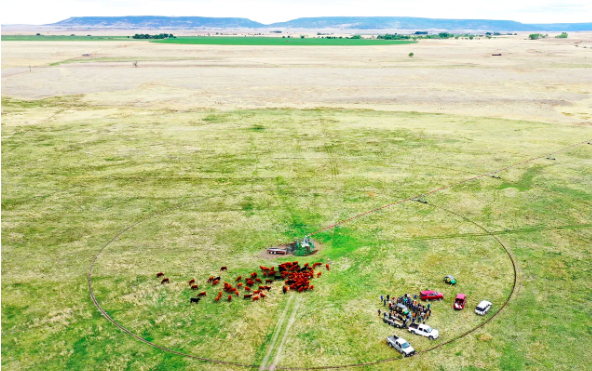
A streak of canary yellow emerges from the forest. José Martins speeds across the sand on a bright red quadbike, dressed in his full firefighter uniform, yellow helmet glinting in the sunlight.
Martins is chief of the fire brigade in Anã, a community of 350 ribeirinhos — riverside dwellers — living on the banks of the Arapiuns River in the northern Brazilian state of Para. Like many firefighters in the Amazon, he is a volunteer, and the quadbike is his fire engine.
For these firefighters, the fight is existential: a battle to protect their people, as well as the land and creatures their lives depend on. Martins’s grandfather died trying to put out a fire alone. Many have similar stories. “It’s very hard to be a volunteer, not earning anything, working just for love, for your territory,” the 49-year-old says. “But I feel so good when we extinguish the fire and give the land back to the community. It’s a big joy.”
Martins is chief of the fire brigade in Anã, a community of 350 ribeirinhos — riverside dwellers — living on the banks of the Arapiuns River in the northern Brazilian state of Para. Like many firefighters in the Amazon, he is a volunteer, and the quadbike is his fire engine.
For these firefighters, the fight is existential: a battle to protect their people, as well as the land and creatures their lives depend on. Martins’s grandfather died trying to put out a fire alone. Many have similar stories. “It’s very hard to be a volunteer, not earning anything, working just for love, for your territory,” the 49-year-old says. “But I feel so good when we extinguish the fire and give the land back to the community. It’s a big joy.”

THE FINANCIAL TIMES
How crisp packets unwrap the challenges of the circular economy
︎︎︎ Quickview
︎︎︎ Read article
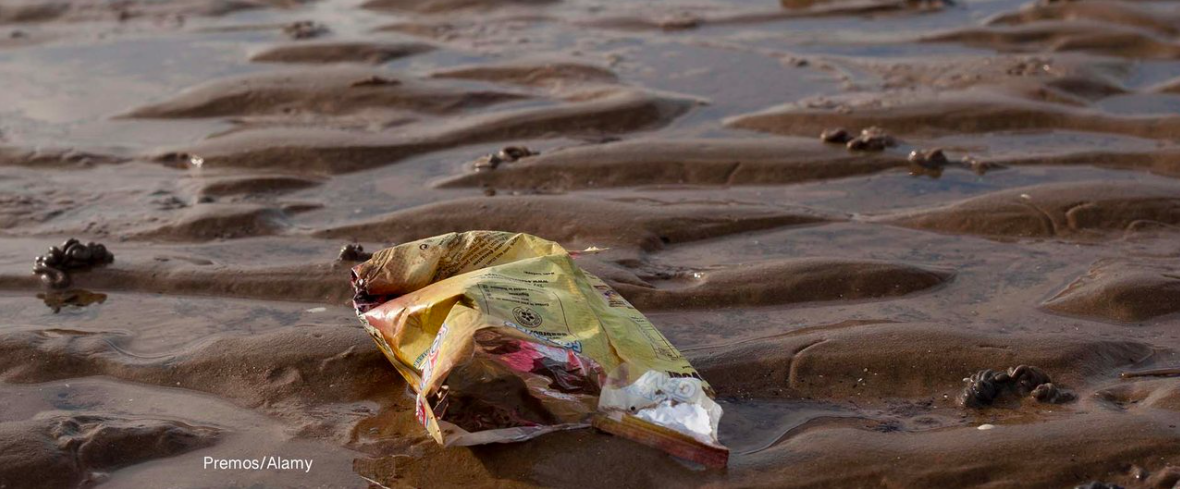
Whether salt and vinegar, sweet chilli, wasabi or barbecue, most parts of the world have their own take on the crisp. Salty, crunchy, more-ish, it is a globally esteemed snack. But as with many modern-day trappings – enjoyed as a momentary indulgence to be discarded – the packaging lingers on long after the saltiness has left our lips.
According to environmental charity WRAP, 6bn packets of the fried potatoes are consumed each year in the UK alone. Stretched end-to-end, that’s enough crisp packets to wrap around the planet 25 times. Unlike other packaging materials with standardised recycling systems, such as aluminium, cardboard and glass, most of the multi-layered plastic and foil packets end up in landfill, nature or the ocean, where they have been shown to take six decades or more to decompose.
The afterlife of the crisp packet points to a broader global challenge: how to establish a recycling ecosystem in which every material made can be repurposed or reused.
According to environmental charity WRAP, 6bn packets of the fried potatoes are consumed each year in the UK alone. Stretched end-to-end, that’s enough crisp packets to wrap around the planet 25 times. Unlike other packaging materials with standardised recycling systems, such as aluminium, cardboard and glass, most of the multi-layered plastic and foil packets end up in landfill, nature or the ocean, where they have been shown to take six decades or more to decompose.
The afterlife of the crisp packet points to a broader global challenge: how to establish a recycling ecosystem in which every material made can be repurposed or reused.
FILED UNDER:
Climate
Climate
THE i PAPER
I proved London air pollution killed my daughter - she'd be proud of me
︎︎︎ Quickview
︎︎︎ Read article
Fourteen years ago, Rosamund Adoo-Kissi-Debrah knew next to nothing about air pollution, nor its awful power.
She is now an expert on the subject matter; one of the most renowned advocates for clean air in the world. She has advised the Mayor of London and successive UK governments, and her work has earnt her a series of accolades: World Health Organisation (WHO) BreatheLife Ambassador; Honorary Fellow of the British Science Association; a European Lung Foundation award; numerous Women of the Year nods. Her portrait hangs in the National Portrait Gallery.
But the path here has been paved with pain and loss. And as laudable as her many achievements are, it is the fact that she experienced every parent’s darkest fear, and chose to harness it so that other families might not suffer the same fate, that makes Rosamund remarkable.
She is now an expert on the subject matter; one of the most renowned advocates for clean air in the world. She has advised the Mayor of London and successive UK governments, and her work has earnt her a series of accolades: World Health Organisation (WHO) BreatheLife Ambassador; Honorary Fellow of the British Science Association; a European Lung Foundation award; numerous Women of the Year nods. Her portrait hangs in the National Portrait Gallery.
But the path here has been paved with pain and loss. And as laudable as her many achievements are, it is the fact that she experienced every parent’s darkest fear, and chose to harness it so that other families might not suffer the same fate, that makes Rosamund remarkable.

Patrick Holden strolls across the field, pausing from time to time to bend and point out a bumblebee, or a white butterfly, or a dung beetle. A wide expanse of blue sky stretches above. Beneath, undulating green hills, sprawling hedgerows, a horizon broken only by the jagged tips of Wales’ Cambrian mountain range. Sun-soaked goodness.
“Can you see that bumblebee working the clover?” he asks, voice breathy with exertion. “The bird life, insects, butterflies, small mammals, and bats ... the biodiversity of this place is unbelievable.” This is all here, he says, because he’s farming in harmony with nature.
“Can you see that bumblebee working the clover?” he asks, voice breathy with exertion. “The bird life, insects, butterflies, small mammals, and bats ... the biodiversity of this place is unbelievable.” This is all here, he says, because he’s farming in harmony with nature.
FILED UNDER:
Climate
Climate
THE i PAPER
Sexual dysfunction and suicidal thoughts - the dark side of anti-balding drugs
︎︎︎ Quickview
︎︎︎ Read article
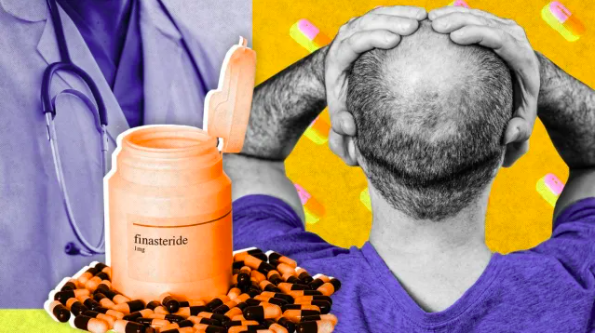
Hair loss wasn’t something Ryan had ever particularly worried about. Even when a small patch on his scalp began to thin, he gave it little notice. But flicking through a newspaper in his early 30s, he came across an advert for a “wonder hair loss drug”, and he thought “why not?” He was often complimented on his hair.
A few weeks after starting the treatment, he was struck by crushing anxiety “like a bolt of lightning”. He couldn’t eat or sleep. He lost interest in sex, started losing strength in the gym, and developed suicidal thoughts. At work in the Civil Service, he suddenly struggled to meet colleagues’ eyes. Menial tasks became a battle. He recoiled from human contact.
A few weeks after starting the treatment, he was struck by crushing anxiety “like a bolt of lightning”. He couldn’t eat or sleep. He lost interest in sex, started losing strength in the gym, and developed suicidal thoughts. At work in the Civil Service, he suddenly struggled to meet colleagues’ eyes. Menial tasks became a battle. He recoiled from human contact.
FILED UNDER:
Social Justice
Social Justice